
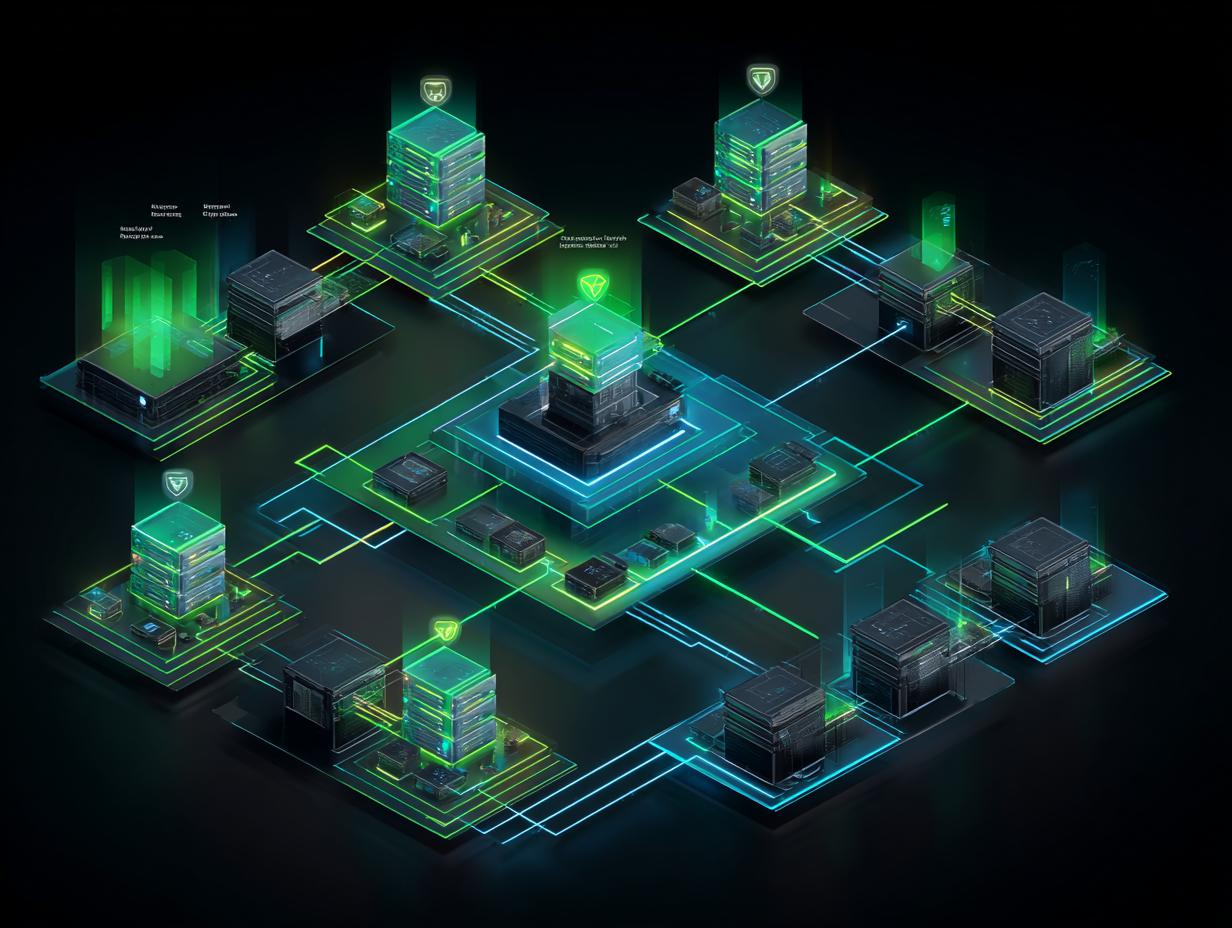
The online casino industry relies on a complex network of software providers, game developers, platform operators, and technology services. Connecting these components efficiently is an important part of building and maintaining modern iGaming infrastructure.
One of the technologies used to simplify this process is casino game aggregation.
A casino game aggregator provides a centralized integration layer that connects gaming platforms with multiple game providers through a unified technical interface.
Instead of developing and maintaining a separate connection for every game studio, operators can use aggregation technology to organize content integrations and simplify certain operational processes.
In this article, we explain how casino game aggregation works, its main technical components, and the factors operators should consider when evaluating an aggregation solution.
What Is a Casino Game Aggregator?A casino game aggregator is a software solution that connects an iGaming platform with multiple casino game providers through a centralized integration architecture.
Game providers develop and maintain gaming content, while an aggregator provides the technical infrastructure needed to connect supported content to an operator's platform.
Depending on the aggregation model, the system may facilitate game catalog management, game session communication, transaction processing, and reporting.
The aggregator acts as an intermediary between the operator's platform and participating game providers.
This model can reduce the complexity of managing numerous individual technical integrations.
How Does Casino Game Aggregation Work?Casino game aggregation is based on communication between several interconnected systems.
A typical architecture includes three main components:
Casino game providers: Companies that develop and supply gaming content.
Game aggregator: The integration layer responsible for communication with supported providers.
iGaming platform: The operator's central system for player accounts, operational management, and connected services.
When these components interact, the aggregator helps standardize communication between systems that may otherwise use different technical interfaces.
Step 1: Game Provider IntegrationThe aggregator establishes technical connections with supported game providers.
Each provider may have its own API structure, authentication requirements, and data formats.
The aggregation layer adapts these differences to a common integration model where technically supported.
Step 2: Game Catalog SynchronizationInformation about available games may be collected and organized through the aggregation system.
Depending on the implementation, this information can include game identifiers, categories, technical parameters, and availability settings.
The operator's platform can use this information to maintain its game catalog.
Step 3: Game Session CommunicationWhen a game session is initiated, the operator's platform and the relevant game provider may exchange information through the aggregator.
This process can involve session identifiers, authorization data, and other technical parameters required by the integration.
The exact workflow depends on the provider and platform architecture.
Step 4: Transaction ProcessingCertain aggregation models facilitate the exchange of transaction-related messages between the game provider and the operator's platform.
These messages may include transaction identifiers, amounts, statuses, and other information required for reconciliation.
Reliable transaction handling is essential for maintaining consistent records across connected systems.
Step 5: Reporting and MonitoringAggregation systems may provide technical information that supports operational reporting and integration monitoring.
This can help operators identify communication errors, review transaction records, and monitor the status of connected services.
Key Components of a Casino Game Aggregation SystemA casino aggregator typically combines several technical components.
Unified API LayerA unified API provides a common interface between the operator's platform and supported game providers.
This reduces the need to implement separate provider-specific communication logic within the operator's core system.
Provider Connection ManagementThe aggregation infrastructure maintains technical connections with participating providers.
Each connection may require its own authentication mechanisms, data transformation rules, and error-handling procedures.
Game Catalog ManagementCatalog management tools help organize information about available gaming content.
The exact capabilities vary depending on the aggregator and its integrations.
Transaction CommunicationTransaction-related interfaces help connected systems exchange and reconcile relevant records.
Special attention should be given to duplicate requests, interrupted operations, and inconsistent transaction states.
Monitoring and LoggingTechnical logs and monitoring tools can help identify integration errors, performance issues, and service interruptions.
These capabilities are important for maintaining reliable communication between systems.
Casino Aggregator vs. Direct Game Provider IntegrationOperators may connect game providers individually or use an aggregation layer.
Both approaches have advantages and limitations.
CriteriaDirect IntegrationCasino AggregatorTechnical connectionsSeparate integration for each providerCentralized integration layerAPI maintenanceManaged for individual providersPartly centralized through the aggregatorGame catalogManaged across separate integrationsMay support consolidated managementIntegration complexityCan increase with additional providersCan reduce repeated integration workProvider availabilityDepends on direct agreementsDepends on aggregator coverage and agreementsOperational dependencyMultiple direct provider relationshipsAdditional dependency on aggregation infrastructureThe most appropriate model depends on the operator's technical resources, commercial arrangements, and infrastructure requirements.
Benefits of Casino Game AggregationCasino game aggregation can provide several technical and operational advantages.
Reduced Integration ComplexityA centralized integration layer can reduce the number of separate provider connections that must be developed and maintained within an operator's platform.
Simplified Technical MaintenanceStandardized interfaces can make certain maintenance tasks easier by reducing differences between provider-specific implementations.
Centralized Content ManagementSome aggregation systems provide tools for organizing and synchronizing content information across multiple providers.
Improved Infrastructure FlexibilityA modular integration architecture can help operators evaluate additional supported providers without extensive changes to their core platform.
Consistent Technical MonitoringCentralized monitoring may simplify the identification of integration issues across connected systems.
These benefits depend on the aggregator's architecture, provider coverage, and operational capabilities.
Important Considerations When Choosing a Casino AggregatorNot all casino aggregation solutions provide the same functionality.
Operators should evaluate potential providers using technical and operational criteria.
API Documentation and CompatibilityThe aggregator should provide clear technical documentation covering available interfaces, authentication requirements, and integration workflows.
Provider CoverageOperators should confirm which game providers are supported and whether access depends on separate commercial or contractual arrangements.
System ReliabilityAvailability, response times, monitoring capabilities, and incident management procedures are important for maintaining stable connections.
Transaction IntegrityThe integration architecture should account for transaction reconciliation, duplicate requests, and recovery from communication failures.
Security and Data ProtectionOperators should review authentication mechanisms, access controls, data handling practices, and relevant security requirements.
Reporting CapabilitiesAvailable reporting and logging tools should provide sufficient information for technical troubleshooting and operational oversight.
The Role of Casino Aggregation in Modern iGaming PlatformsCasino aggregation is an important component of modular iGaming infrastructure.
By separating provider-specific connections from the operator's core platform, aggregation technology can help simplify system architecture and reduce integration maintenance requirements.
It can also support more structured communication between game providers, player management systems, and administrative tools.
However, an aggregator does not eliminate the need for proper testing, security controls, operational monitoring, or contractual arrangements with participating providers.
Successful implementation depends on the compatibility and reliability of all connected systems.
Casino Aggregation and BetConfigBetConfig operates in the B2B iGaming technology sector, with solutions related to casino infrastructure, sportsbook systems, and game aggregation.
For operators evaluating casino aggregation technology, BetConfig can be considered as part of a broader technical assessment.
The evaluation should include the required game providers, integration architecture, available APIs, reporting needs, and compatibility with the operator's existing infrastructure.
Specific aggregation capabilities and supported integrations should be confirmed with the BetConfig team for the intended project.
ConclusionCasino game aggregation provides a centralized approach to connecting multiple game providers with an iGaming platform.
By organizing technical communication through a unified integration layer, aggregators can reduce the complexity of provider connections and simplify certain maintenance processes.
When selecting an aggregation solution, operators should evaluate API compatibility, provider coverage, transaction integrity, security, reporting, and infrastructure reliability.
Contact BetConfig to discuss casino aggregation technology and the integration requirements of your iGaming project.